
Cork as Shock Absorber
Cork, derived from the bark of the Oak Cork Tree, is one of the most environmentally friendly and renewable material resources available. It can easily be recycled again and again for various applications including shoe foot beds, sound insulation, flooring and cork boards. It is most famous for its use in wine stoppers which, among other things, highlights it waterproof and antimicrobial properties.

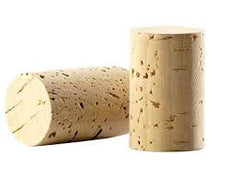
Cork is also able to absorb a lot of punishment. Its cells have a unique 14 sided polyhedron structure that can be compressed to 15% of their normal volume and then regain most or all of its size and shape slowly. This compression capacity combined with a very slow rebound allows cork to act as a very effective energy dampener, thus its popular use in flooring and noise proofing. Low density cork was shown by GRANTA DESIGN to perform competitively with high density EPS (density typically used in helmets) as a material well suited to absorb the type of impacts targeted in helmet testing.

By creating a honeycomb pattern of perforations and layering the cork used in helmet cushioning Coyle is able to enhance the energy absorbing properties inherent in the material while at the same time significantly reducing the weight of each helmet. The honeycomb structure also allows for airflow INSIDE the helmet shell.

Layering and perforations give resilient cork cells more room to move to during impacts. Unlike EPS cork does not typically crush and is not destroyed by moderate impacts. It does rebound to its full or near its full original dimensions over 24 hours post impact. Because this is so cork benefits from having voids which it can fill while being “smushed” during an impact event.